Webinar Archive: Using acoustic tags and Uncrewed Aerial Systems to study cetaceans
Using acoustic tags and Uncrewed Aerial Systems to study cetaceans Overview
Please join us for a discussion on the deployment and use of acoustic tags on cetaceans to study their movement and behaviors.
Using acoustic tags and Uncrewed Aerial Systems to study cetaceans – April 15, 2026
- Post-Webinar Feedback Survey
- Professional Development Certificate Questionnaire
- Download Dr. Marc Lammers’ presentation as a PDF
- Download Dr. Susan Parks’ presentation as a PDF
- Download Dr. David Wiley’s presentation as a PDF
- Download Webinar Outline
- Download Q & A
Dr. Marc Lammers, Research Ecologist at National Oceanic and Atmospheric Administration’s Hawaiian Islands Humpback Whale National Marine Sanctuary (HIHWNMS)
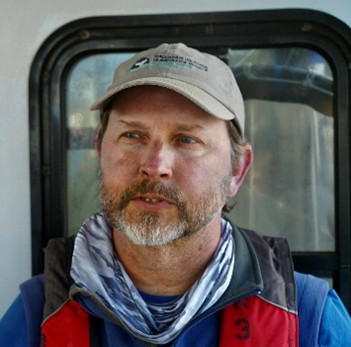
Dr. Marc Lammers is the Research Ecologist at NOAA’s Hawaiian Islands Humpback Whale National Marine Sanctuary (HIHWNMS) where he leads the sanctuary’s research portfolio. He is also the Co-Founder and President of Oceanwide Science Institute and is an affiliate faculty member at the Hawai’i Institute of Marine Biology. He holds a B.A. and a Ph.D. in Zoology from the University of Hawaii. At HIHWNMS his research activities are focused on understanding the population, ecology and behavior of Hawaii’s humpback whales using a variety of tools including passive acoustic monitoring, biologging and uncrewed aerial systems (UAS – drones). He is an expert in marine acoustics and has studied whales and dolphins around the world for more than 30 years.
Dr. Susan Parks, Professor of Biology, Syracuse University
 Dr. Susan Parks is a Professor of Biology at Syracuse University. She has been involved in animal bioacoustics research for over 30 years. She earned her B.A. in Biology from Cornell University and her Ph.D. in Biological Oceanography in the Massachusetts Institute of Technology/Woods Hole Oceanographic Institution Joint Program in Oceanography. Her research focuses on the ecology and evolution of acoustic signaling. Dr. Parks’ research topics span the fields of behavioral ecology, bioacoustics, biological oceanography, and conservation biology. Her current projects include studies of marine and terrestrial animals ranging from observational studies characterizing the acoustic behavior of species to experimental studies investigating behavioral functions of sounds and the impacts of noise on communication.
Dr. David Wiley, Stellwagen Bank National Marine Sanctuary, National Oceanic and Atmospheric Administration
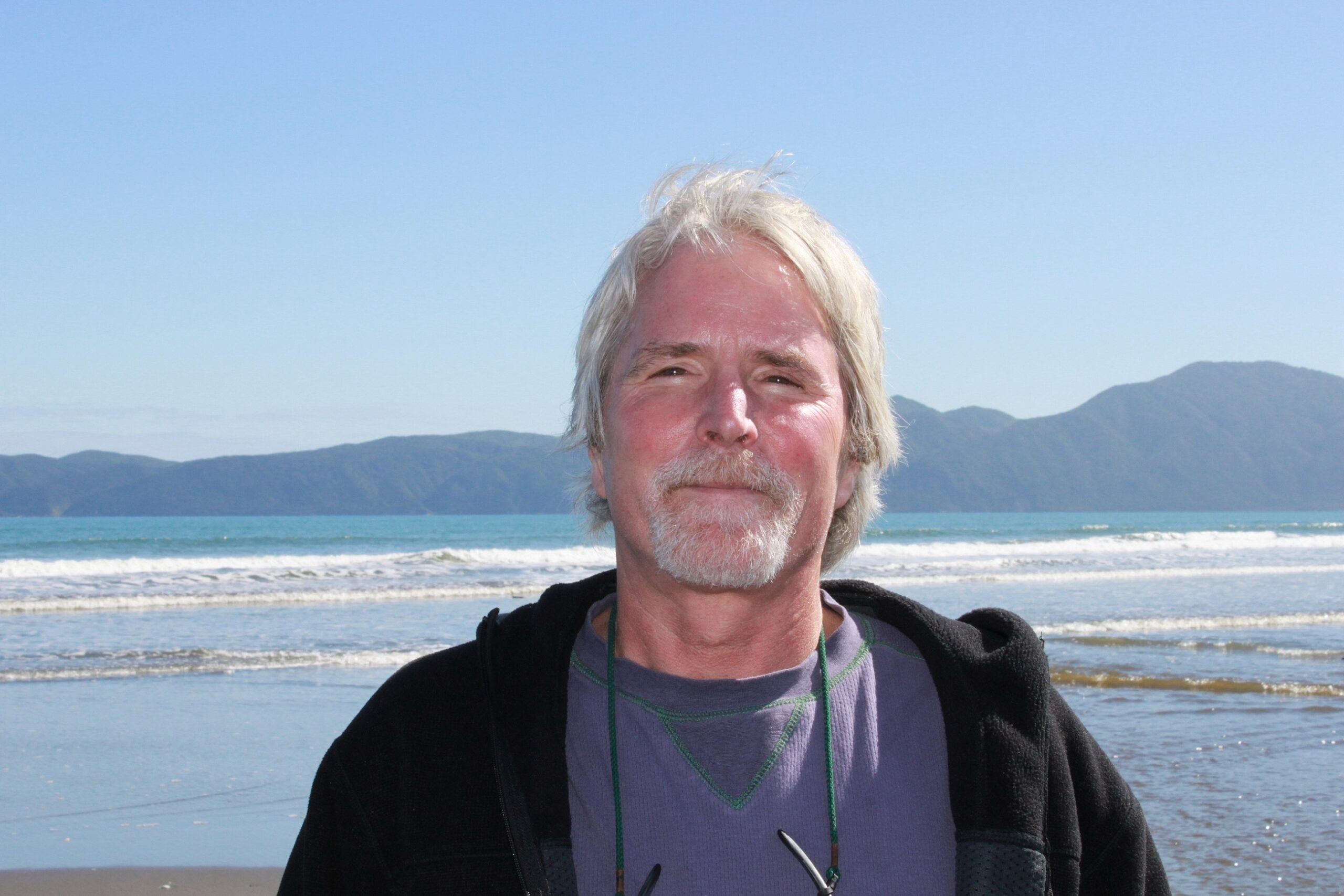
Dr. David Wiley is a Research Ecologist with the National Oceanic and Atmospheric Administration (NOAA) at the Stellwagen Bank National Marine Sanctuary, and has studied marine ecosystems for more than 30 years. His work spans the reproductive and foraging ecology of endangered whales, marine spatial planning, and conservation technology. Dr. Wiley has played a key role in applied conservation, collaborating with commercial fishermen to redesign fishing gear that reduces whale entanglement risk, and pioneering techniques for the successful rescue of mass-stranded whales and dolphins. His research has contributed to international management actions, including relocating major shipping lanes to reduce ship strikes on endangered whales and using Automatic Identification System technology to monitor and measure the maritime industry’s compliance with environmental regulations.
He currently leads a multi-institutional research initiative integrating advanced telemetry and innovative visualization tools to better understand the underwater behavior of endangered whales. Dr. Wiley serves on the U.S. Right Whale Recovery Team and the Large Whale and Harbor Porpoise Take Reduction Teams. He is the recipient of the U.S. Department of Commerce Gold Medal for scientific leadership, NOAA’s Distinguished Career Award for groundbreaking research and conservation of whales, seabirds, and forage fish, and a Fulbright Program Fellowship. He is also adjunct faculty in the College of Science and Mathematics at the University of Massachusetts Boston.